
Naturescaping

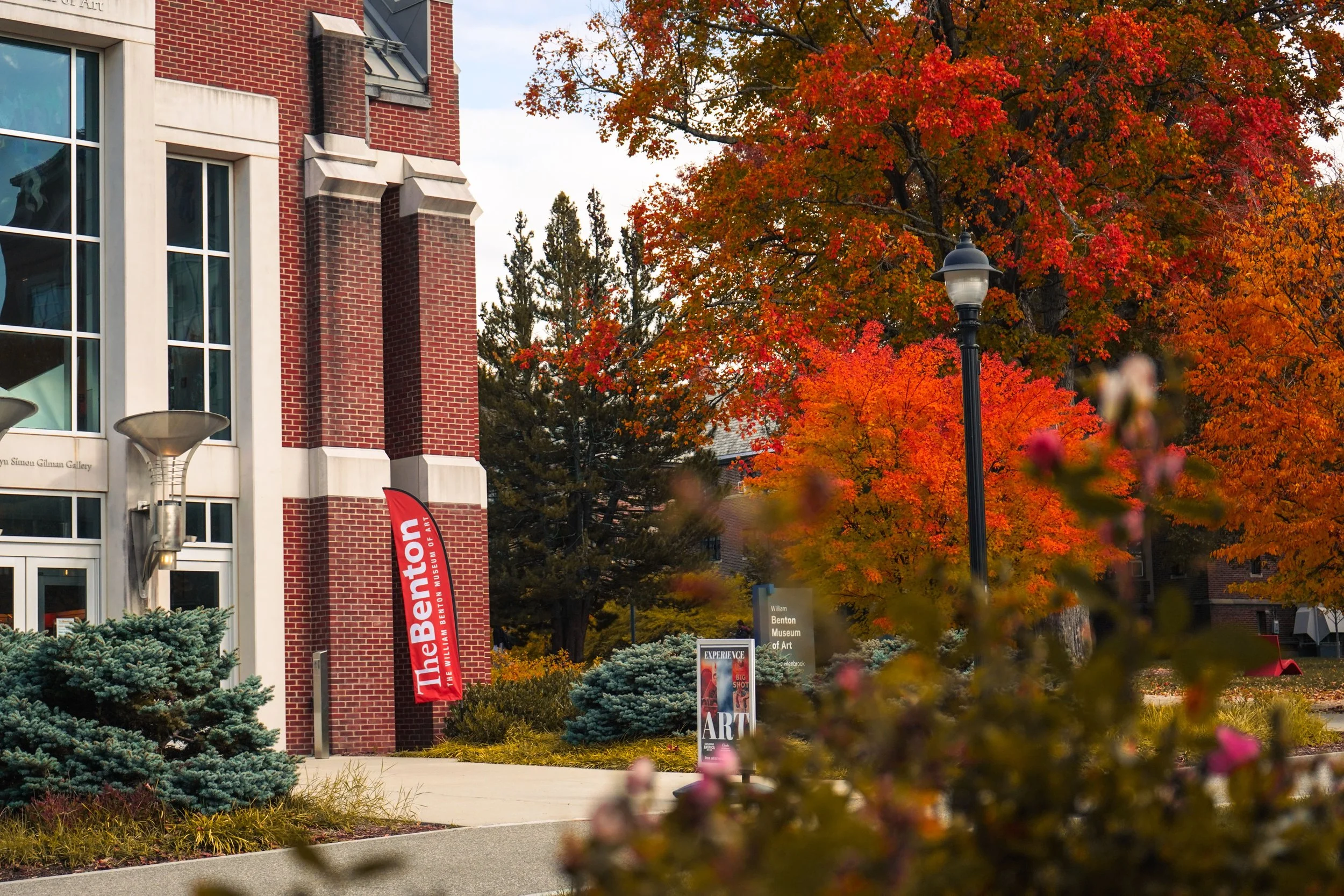
Designing Landscapes to Coexist with Nature
New construction can permanently reshape local ecosystems, triggering a cascade of environmental changes that force humans and wildlife into closer, often conflict-prone contact. When human development replaces natural terrain, it alters foundational environmental processes, extending far beyond the immediate structural footprint. Naturescaping is a landscape design concept that attempts to shed light on how we as humans can design to be in harmony with nature rather than opposing it.
While most of us are aware of the concept of native plants and understand the importance of utilizing them, many projects that involve landscape design do not take the whole ecosystem of the site into consideration. The concept of naturescaping places the emphasis on designing around the natural landscape and its inhabitants rather than just adding or subtracting plants and foliage. The idea itself is very simple - let nature occur.
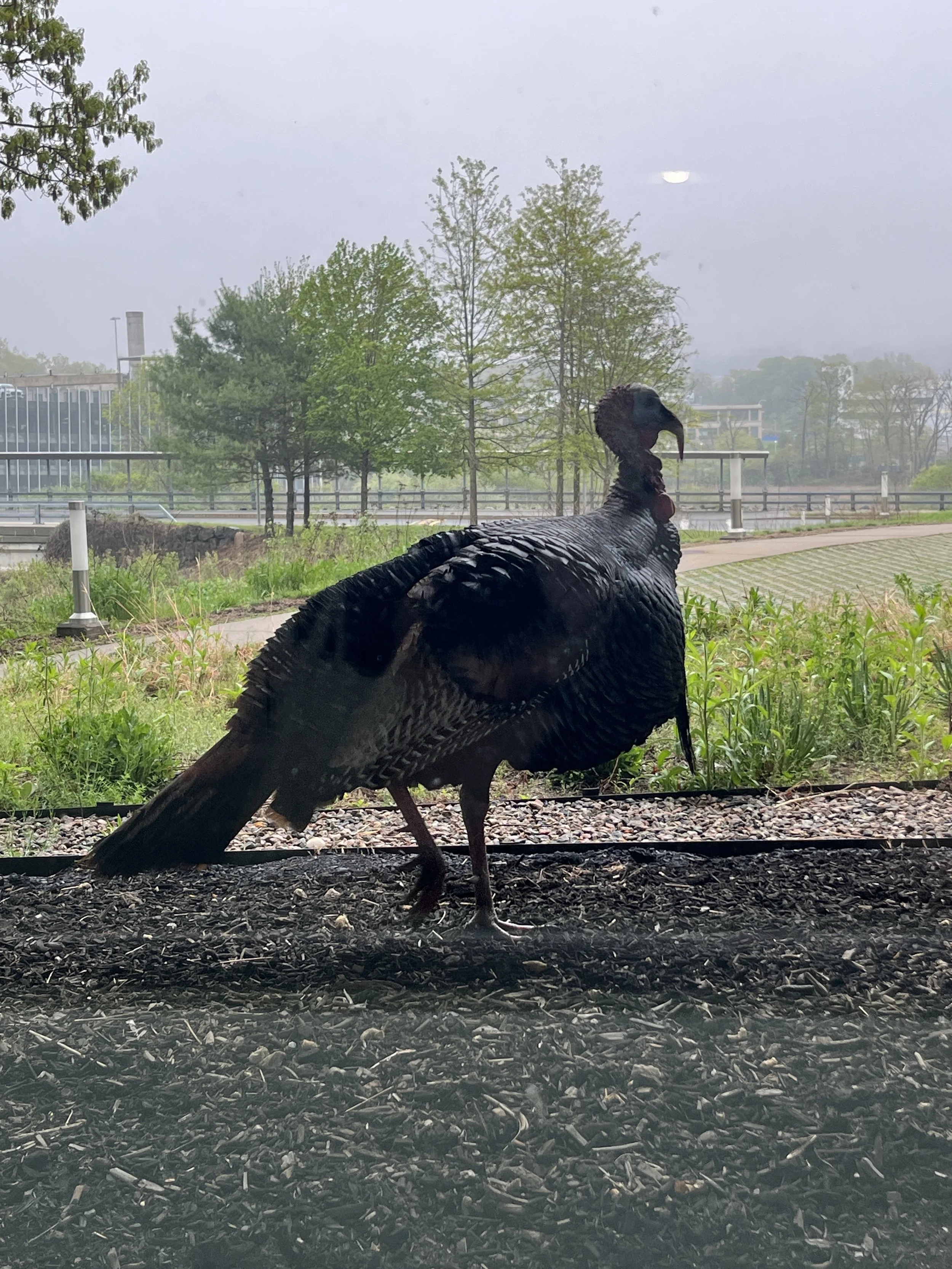
Naturescaping starts with research about the site itself and what is naturally occurring. A lot of the answers may be provided by initial site investigation, but the key ones are existing soil composition, annual rainfall, natural draining patterns as well as the sun path and solar orientation of the site.
Once the existing site conditions have been established, the next step is to design the landscape itself based on the information learned and maintaining those conditions where possible. This may be easier said than done when working on a large-scale project, but the key is to be observant. Is there a creek that runs through the site that could be re-routed rather than infilled? Are there boulders that could be relocated instead of removed? And so on. In addition to bringing in native plants and foliage as part of the site design, making an effort to remove any invasive plants that are found in the surrounding site should also be a priority.
While this design approach is more labor-intensive than just bringing in new plants and trees to infill a hardscaped site, the benefits of naturescaping are far greater. By designing based on the surrounding area, the landscaping becomes lower maintenance, saving time and money, while also creating ecosystems for native animals displaced by construction. Providing ecosystems can be mutually beneficial as animals often provide natural pest control, pollinate flowers, distribute native plant seeds, and can even create ambiance for outdoor spaces. The best part of naturescaping is that through it a building and its occupants can become part of the ecosystem rather than disrupting it.
Interested in learning more about beneficial plants that are native to New England? Check out this website.

EXPLORING THE IIDA CAREER CENTER
The IIDA Career Center is a great source for design industry jobs and connects employers with thousands of highly engaged professionals, including IIDA members, nonmembers, and institutions
So, what are the benefits for IIDA members?
1. Discounts: Members (companies, firms, universities, individuals) receive discounted postings for job opportunities and complimentary internship postings.
2. Resume Guidance: Level up your career game with confidence through top-notch resume, cover letter, and LinkedIn services that will make you stand out from the crowd.
3. Career Advice: Receive guidance through articles and blog posts for every step of your career - everything from personal branding to networking, resumes & cover letters.
4. Career Insights: The insights tool allows you to review data surrounding compensation, education, skills, employment and more that will help you plan your career.
5. Career Coaching: Partner with a professional coach to receive unbiased, clear advice on how to achieve your goals and elevate your profile in the industry.
UPCOMING EVENTS
Be sure to check in with the IIDA New England event calendar for upcoming events offered in our community. Here's a sneak peek at some upcoming events:
McKearney Showroom Grand Opening // Thursday, September 17
IIDA NE Art Uncorked // Wednesday, September 23
Cosentino Premiere // Thursday, September 24
IIDA NE Design Your Path // Friday, October 23
IIDA NE Hartford City Center Holiday Party // Wednesday, December 9

Designer Monologues the Podcast from IIDA New England with your host Brett Berry is officially LIVE! On this show, we share the stories behind the design of repurposing, developing, and reshaping our communities. Incubated from the minds and skills of New England’s talented design community, you’ll hear how visual inspiration can come from nature, our history, current trends, and more as we take you on a story-telling journey behind design.
Check out all of the episodes here!

Hi everyone,
I can't believe I'm already two months into my term as President of IIDA New England. For anyone I haven't met yet, I'm Kalyn Pavlinic, an Interior Designer and Principal at Shepley Bulfinch. This community has meant so much to me throughout my career. It's where I've found mentors and friends and explored the creativity of our field. That's really what this organization is all about at its core: creative people, and the connections we build together.
When I stepped into this role, I wanted to focus our chapter around three ideas: being nimble, being intentional, and strengthening connection. Those are still very much my north star, and they feel especially relevant right now. Our profession is changing quickly, in how we work, how we mentor, and how we connect, and I want our chapter to stay responsive to that, rather than just doing things the way they've always been done.
Lately, that intentionality has looked like a lot of behind-the-scenes work: tightening up how our committees and board communicate, so we can support you all more consistently. It's not the flashiest update, but it's the kind of groundwork that helps everything else run smoother.
This chapter is volunteer-led, which means it truly belongs to all of you. As our board heads into strategic planning for the year ahead, my door and my ear are always open. I'd love to hear what you're thinking about, worried about, and excited about, so please reach out anytime: kpavlinic@shepleybulfinch.com.

Warmly,
Kalyn Pavlinic, NCIDQ, LEED AP
President, IIDA New England Chapter


Did you know that studies show that anywhere from 40% to 60% of a household's water bill can be tied to traditional lawn maintenance, especially in areas with high water usage? By replacing turf with native wildflowers, shrubs, grasses, and trees, you reduce that demand dramatically. source
Do you have an idea that you would like to share with the design community or see highlighted here in The Wire? Share your ideas here.

Stay tuned for the next Sponsor Spotlight!
Follow IIDA New England on social media and visit our website to keep up with the latest and greatest!
The IIDA NE Wire is a journalistic publication and is not meant for advertisement or
promotional purposes.
The IIDA NE Wire team consists of: Jillian Welenc (Wire chair), Julia Donahue, Traci Crugnale, Simran Batra, and Ashley Maggiacomo.